Basic Information
The wolverine’s scientific name is Gulo gulo, which means “glutton glutton” because of how much they can eat!


Did you know?
Search name of person, animal, place, thing, etc.
Share
The wolverine’s scientific name is Gulo gulo, which means “glutton glutton” because of how much they can eat!
Wolverines belong to the Mustelidae family, making them relatives of otters, badgers, and weasels!
Wolverines are mostly solitary animals, so there isn’t a special group name that scientists use for them — you’ll usually see just one wolverine on its own!
Wolverines can be found across northern Canada, Alaska, Scandinavia, and northern Russia, preferring cold, snowy environments!
Wild wolverines usually live about 5–7 years, though a few can reach 12–13 years. In zoos and other human care, some wolverines have lived up to 17 years!
Adult male wolverines (called boars) usually weigh about 26–40 pounds, which is about the size of a medium dog. Some rare males can grow heavier — up to around 55 pounds!
Female wolverines (called sows) are usually smaller than males and most often weigh about 15–30 pounds, though some may be a bit heavier!
Baby wolverines are called kits, and they're born completely white to blend in with the snow!
Wolverines are carnivores, which means they eat mostly meat, but they'll occasionally eat berries too!
Adult male wolverines can have territories that reach up to about 500 square miles (≈1,300 km²) or more, especially in areas where food is scarce and they need huge spaces to find enough food and mates.
Wolverines are active year-round and don't hibernate during winter like some other northern animals!
Some Native American languages gave the wolverine names like carcajou (adopted into French), but these names just mean wolverine.
Wolverines can travel up to 15 miles in a single day when looking for food!
Despite their name, wolverines aren't related to wolves at all – they're actually giant weasels!
Fossils show that wolverines and their close ancestors have been around for millions of years — scientists have found wolverine‑like fossils from more than 4 million years ago, long before humans appeared!
In the lower 48 U.S. states, there are very few wolverines left — scientists estimate only around 300 remain, making them a rare and special animal!
Wolverines have super noses — they can smell food buried as deep as 20 feet under snow, then dig down to reach it!
The average wolverine is about 3 feet long from nose to tail, about the length of a youth baseball bat!
Wolverines are excellent swimmers and can paddle across wide rivers!
A wolverine's scientific classification puts them in the Class Mammalia, Order Carnivora, and Family Mustelidae!
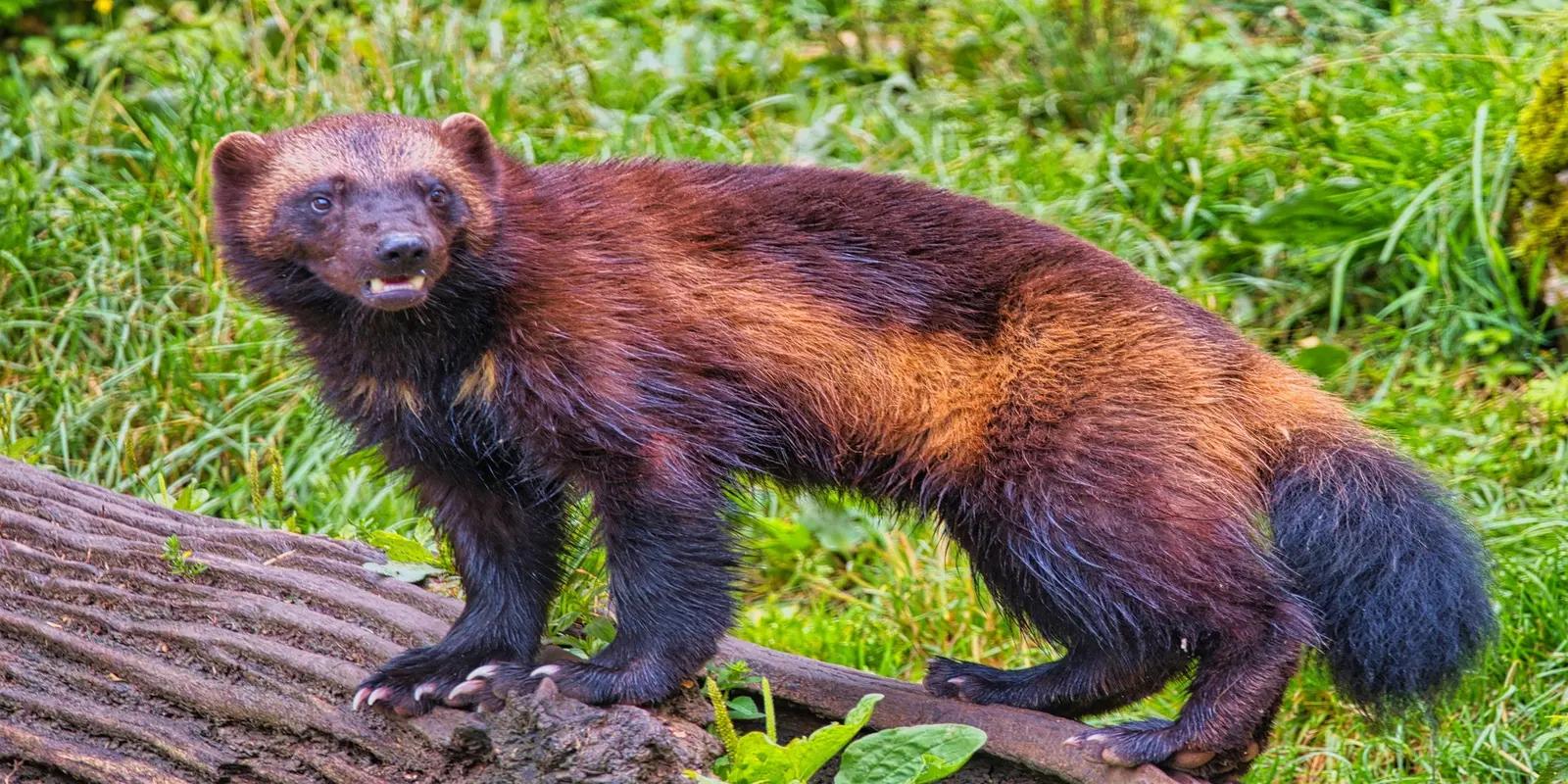
Wolverines have wide, furry paws that help spread their weight over snow so they don’t sink in deeply.
Wolverines have super‑thick, oily fur that resists frost and keeps them warm in icy places — that’s one reason they can survive in temperatures far below freezing!
Wolverines have incredibly strong jaws that can crush frozen bones and tear through thick hide!
Wolverines have long, curved claws that help them climb, dig, and move across snow — they’re partly retractable, but not like a cat’s!
A wolverine’s tail is usually about 7–10 inches (17–26 cm) long, and it does help with balance when the animal runs, climbs over rocks or logs, and moves through uneven terrain.
Wolverines have a special oily fur coating that makes them waterproof and helps them stay warm in freezing conditions!
Wolverine paw prints in snow are fairly large for their size — typically around 3–5 inches wide, which can be about as wide as an adult’s hand!
Wolverines don’t see far like some predators — their eyesight is fairly weak, but they make up for it with a great sense of smell and good hearing!
Wolverines have 38 teeth, including specialized carnassial teeth for shearing meat!
A wolverine's fur can be brown, black, or golden, with distinctive pale stripes along their sides!
Wolverines have special scent glands (anal/musk glands) that produce a very strong, musky smell.
A wolverine's ears are small and round to minimize heat loss in cold weather!
The wolverine's muscular neck is as thick as its head, giving it incredible strength for carrying prey!
Wolverine fur is highly valued by Arctic Indigenous peoples for lining parka hoods because its unique, dense, and oily guard hairs prevent moisture from breath from forming ice, allowing frost to be easily brushed off.
Wolverines are active at night, during twilight (dawn and dusk), and sometimes in the daytime — they don’t sleep all day or night but move around whenever they need to find food and explore!
Wolverines have strong‑smelling scent glands and use them to mark their territory and communicate with other wolverines.
Wolverines can climb trees and steep cliffs to escape danger or look for food!
Wolverines create food caches by hiding extra food under the snow for later use!
Wolverines make different vocalizations including growls, whines, and even purr-like sounds!
Wolverines can run at speeds up to 30 miles per hour in short bursts!
Male wolverines will sometimes share their territory with several females!
Wolverines are strong climbers! They can scale steep slopes, snowy hills, and climb trees to find food or get away from danger — even though they don’t spend most of their time on cliff walls like goats do.
Wolverines regularly patrol their territory, which can take several days to complete!
Wolverines use their powerful sense of smell to locate animals trapped under deep snow!
Wolverines love cold, snowy places and mostly live in far northern forests, mountains, and tundra where winter is very cold.
Wolverines create dens in snow banks, rock crevices, or fallen logs!
Wolverines need deep snow that lasts into spring so they can build safe snow dens and keep food cold and stored for later use.
Wolverines can survive in some of the most remote and harshest environments on Earth!
Wolverines often use the same travel routes through their territory, creating wolverine highways!
Wolverines help keep their ecosystem healthy by cleaning up dead animals!