History & Origins
Salt is so valuable that Roman soldiers sometimes got paid extra to buy it, which is why we say someone is “worth their salt” when they do a good job!

Did you know?
Search name of person, animal, place, thing, etc.
Share
Salt is so valuable that Roman soldiers sometimes got paid extra to buy it, which is why we say someone is “worth their salt” when they do a good job!
Salt makers in China were producing salt more than 6,000 years ago — long before the famous pyramids of Egypt were built!
Ancient people in Ethiopia used special blocks of salt called “amole” as money to buy things at the market!
Ancient salt trade routes across the Sahara Desert acted like giant highways, where camel caravans carried valuable salt between North Africa and West Africa!
In ancient Japan, salt-makers boiled seawater in large clay pots over hot fires to make salt — and the hard work could take many hours or even overnight!
In ancient Japan, salt-makers boiled seawater in large clay pots over hot fires to make salt — and the hard work could take many hours or even overnight!
The city of Salzburg in Austria got its name from salt – “Salz” means salt in German, and the city grew rich from salt mining!
Native Americans had special salt springs where they would gather to collect salt and trade with other tribes!
In medieval times, people believed spilling salt was bad luck, and they would throw some over their left shoulder to keep away evil spirits!
The Great Wall of China was built to help protect China from invading armies, while valuable goods like salt traveled across ancient trade routes nearby!
Ancient Egyptians used a special salty substance called natron to dry and preserve mummies, helping many of them last for thousands of years.
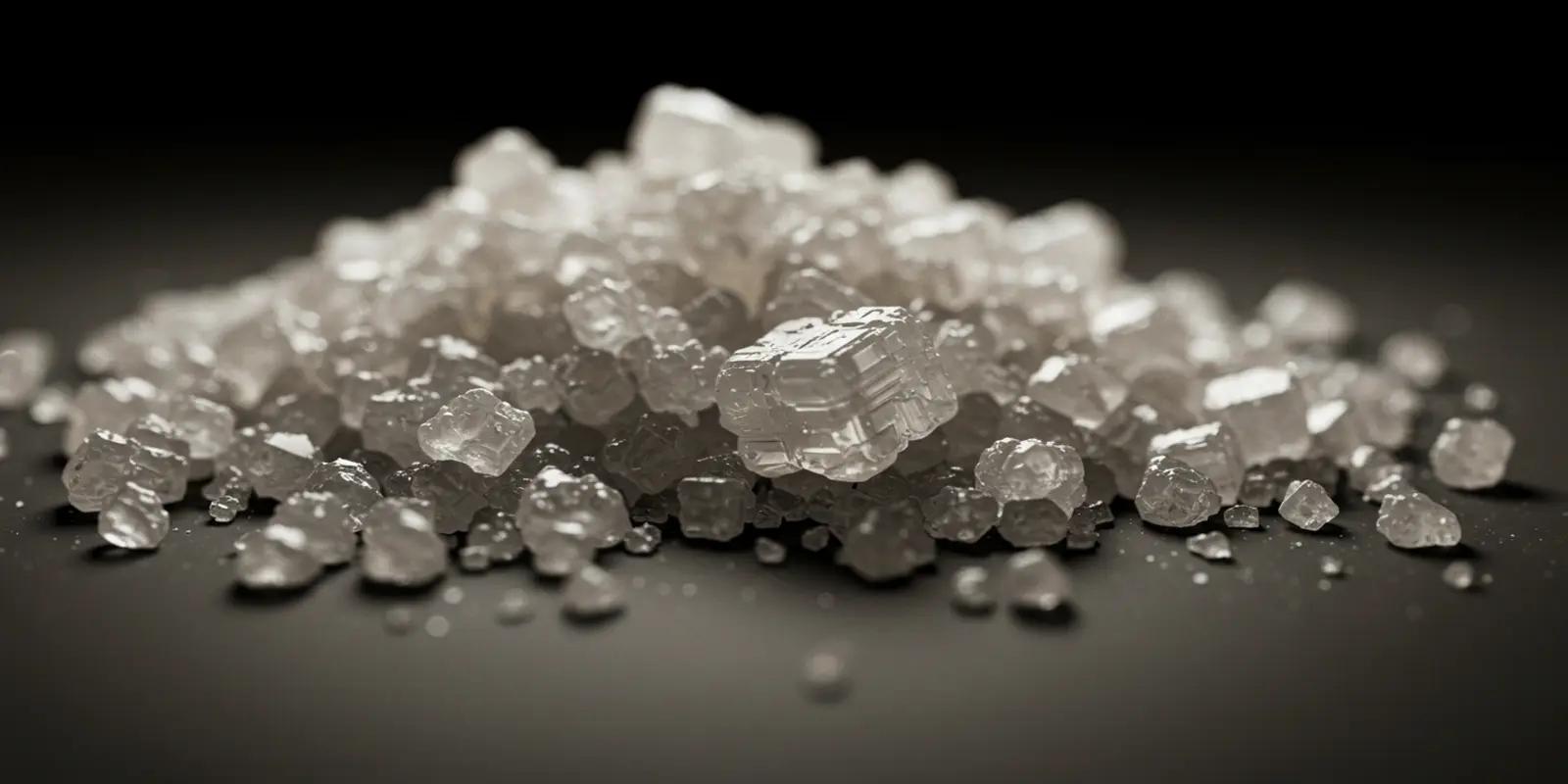
Under a microscope, many salt crystals look like tiny cubes because the atoms inside salt line up in a neat cubic pattern.
Salt can make water freeze at a lower temperature, which is why we put it on icy roads in winter!
When salt dissolves in water, it breaks apart into tiny charged particles called sodium ions and chloride ions. These ions spread evenly through the water, which is why salty water still tastes salty!
Salt is super useful — scientists say it has thousands of different uses (some estimates say over 14,000) beyond food, including cleaning, medicine, and making many everyday products like soap and glass!
When salt is mixed with water, it helps the water carry tiny charged particles called ions. Scientists use this idea in special batteries where salt water helps electricity flow and produce power!
Salt makes things float better in water – that's why it's easier to float in the Dead Sea, which is super salty!
Salt can make ice cream freeze faster and creamier when mixed with ice in an ice cream maker!
Your body needs salt to help your muscles and nerves work properly!
One teaspoon of salt has about 2,300 mg of sodium, which is around the maximum amount most adults should eat in a day.
Salt helps your body hold onto water, which is why you get thirsty after eating salty snacks!
There are more than 300 different types of salt used for cooking around the world!
Pink Himalayan salt gets its color from tiny amounts of iron – the same mineral that makes our blood red!
Salt is the only rock that humans regularly eat!
In Hawaii, they make special red salt by mixing sea salt with volcanic clay!
Persian blue salt from Iran looks blue because tiny potassium-rich minerals inside its crystal structure bend light, creating natural blue streaks!
In Tibet, people drink butter tea by mixing strong black tea with yak butter and salt, then churning it into a warm, creamy drink!
In Guérande, France, salt workers still harvest sea salt by hand from shallow salt marshes using sunlight and wind—just like people have done for over 1,000 years!
In Korea, bamboo salt is made by packing sea salt into bamboo stalks and roasting it in fire up to nine times, creating a special dark salt used in cooking and traditional practices!
In Iceland, black lava salt is made by mixing sea salt with activated charcoal, giving it a dark color that looks like volcanic lava!
In Ethiopia, people in the desert still cut salt into flat blocks from the ground and carry them on camels across the hot Danakil region!
In the Philippines, some traditional sea salts get a smoky coconut flavor because salt is made using burned coconut husks during the salt-making process under salt pans!
The Dead Sea has so much salt that you can read a book while floating in it!
In Bolivia, the Salar de Uyuni is the world’s largest salt flat, and after rain it becomes a giant mirror that reflects the sky so clearly it looks like you can walk on clouds!
Deer and other wild animals sometimes travel long distances to reach natural salt licks in the wild because their bodies need important minerals like salt to stay healthy!
In the United States, salt trucks spread tens of millions of tons of salt on roads each winter to melt ice and keep drivers safe—about the weight of millions of cars worth of salt every year!
In Bolivia, there are special hotels on the Salar de Uyuni salt flats where the walls, beds, tables, and chairs are made from salt blocks, making it feel like staying inside a giant salt world!
Salt played a big role in India’s independence movement when Gandhi led a peaceful Salt March in 1930, using salt to show how unfair British laws were and inspire people to resist peacefully.
Morton Salt’s famous umbrella girl logo has been around since 1914 and shows a girl walking in the rain to show that Morton salt still pours smoothly even in wet weather!
Salt crystals can form naturally in cube shapes, like tiny dice, because their atoms lock together in a perfect repeating pattern!
Some salt caves and salt mines are so huge that their underground chambers can fit several football fields, with some even big enough for concerts and sports!
The Bonneville Salt Flats in Utah are so flat and smooth that race cars use them to break world speed records, turning the salt desert into a natural racing track!
Some plants, called halophytes, are so tough they can grow in super salty water and soil by using special tricks to handle all the extra salt!
In Poland, the Wieliczka Salt Mine has huge underground chapels carved from salt, and the biggest one is so large it looks like a real church built deep underground!
Salt helps bread rise properly by slowing down yeast just enough so the dough grows steadily, making the bread soft, tasty, and well-shaped!
Salt is so useful that it helps make everyday things like soap, glass, and paper because it is used to create important chemicals in factories!
Salt helps pickled vegetables stay bright and colorful by slowing spoilage and helping the fermentation process keep them crisp and fresh!
Swimming pools use special salt systems where electricity turns salt into chlorine, which keeps the water clean, safe, and fresh for swimming!
Salt helps make ice cream smoother by making the ice around it colder, which lowers the freezing point and helps the ice cream freeze into a creamy texture!
Dentists often recommend rinsing with salt water because it helps clean the mouth, soothe sore gums, and support healing after small dental problems!