History & Origins
Pizza was first created in Naples, Italy, around 1700, when poor workers needed a quick and tasty meal they could eat with their hands.


Did you know?
Search name of person, animal, place, thing, etc.
Share
Pizza was first created in Naples, Italy, around 1700, when poor workers needed a quick and tasty meal they could eat with their hands.
In 1738, a small pizza stand called Port’Alba opened in Naples, Italy. It later became the famous Antica Pizzeria Port’Alba, and people can still enjoy pizza there today!
In 1889, a pizza maker in Naples created a pizza for Queen Margherita of Italy using red tomatoes, white mozzarella, and green basil—the colors of the Italian flag. People later called it Margherita pizza
Ancient Romans, Greeks, and Egyptians all made flatbreads with toppings, which were like early versions of pizza from over 2,000 years ago.
The word "pizza" first appeared in written records from the city of Gaeta, Italy, in 997 AD – that's over 1,000 years ago.
Pizza became much more popular in the United States after World War II, when many soldiers who tasted pizza in Italy came home craving it again!
In 1889, pizza maker Raffaele Esposito delivered three pizzas to Queen Margherita of Italy in Naples. Many people say this royal order may have been the first pizza delivery ever!
Lombardi’s pizzeria opened in New York City in 1905 and helped spread pizza across America. Many pizza makers later learned their skills from people who worked there!
In 2017, UNESCO declared the traditional art of making Neapolitan pizza a world cultural heritage, celebrating the special pizza-making skills passed down in Naples, Italy!
In 1962, Rose and Jim Totino started mass-producing frozen pizza so people could bake pizza at home anytime, even without visiting a pizzeria!
Pizza dough rises because tiny living organisms called yeast eat sugar and release carbon dioxide gas, which forms bubbles that make the dough puff up!
Pizza ovens can reach around 800°F (427°C), making them hot enough to cook a Neapolitan pizza in just about 90 seconds!
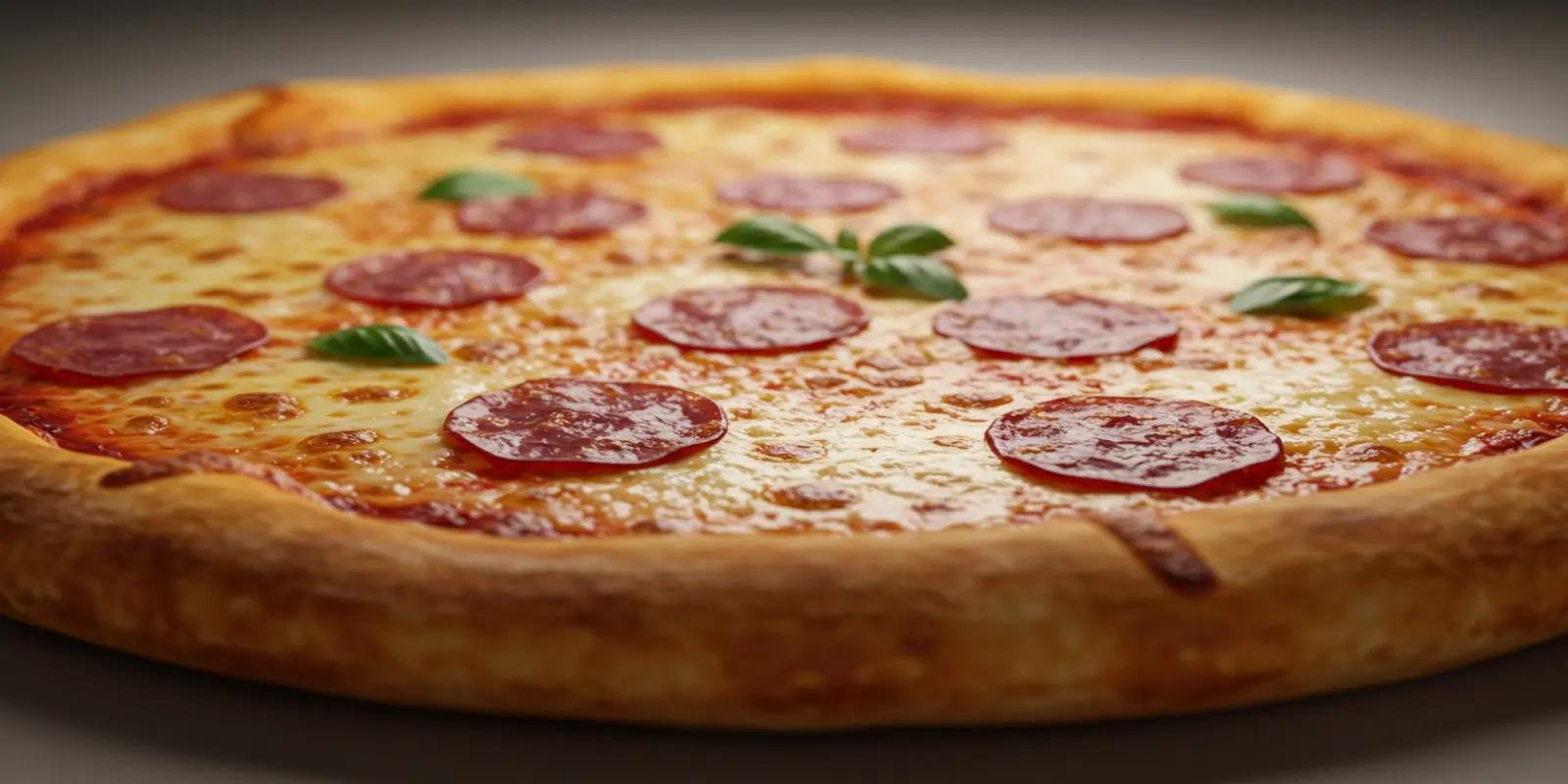
When pizza cheese melts, the heat loosens its protein structure and melts the fats and water inside. This makes the cheese soft, gooey, and stretchy when you pull a slice!
The brown spots on pizza crust happen because heat makes tiny proteins and sugars react in something called the Maillard reaction, creating yummy browned color and flavor!
Pizza dough becomes elastic and stretchy because special proteins in the flour form a gluten network when you add water and knead — these long chains help the dough stretch into a perfect pizza base!
Tomatoes taste sweeter when cooked because heat breaks down some acids and lets their natural sugars become stronger and more concentrated!
When a pizza bakes, the heat makes the air and water inside the dough expand. Some water turns into steam, and all that pressure helps create the round bubbles in the crust you see and love!
Fresh mozzarella cheese has a protein called casein that helps it melt and pull into long, gooey strings when heated—but how far it stretches can change depending on how the cheese is made and how hot it gets!
Pizza stones help make crispy crusts by absorbing moisture from the dough while it bakes.
When you poke pizza dough and it bounces back because of its elastic gluten proteins, that tells you the dough still needs to rest. If it only springs back a little, the gluten is relaxed and the dough is ready to become pizza!
Pizza dough usually rests at room temperature so it ferments and tastes better. For many recipes, 1–2 hours at room temperature helps the dough rise, develop flavor, and become easier to work with.
The perfect pizza sauce pH level is usually around 4.0 to 4.5 — that’s just acidic enough to give the sauce yummy tangy flavor without overwhelming the pizza!
Pizzas cook differently at high altitudes because water boils at a lower temperature.
Some professional pizza ovens have a rotating cooking surface that slowly spins the pizza to help it cook evenly, but many pizza makers still turn the pizza by hand in a regular oven!
When pizza dough has strong gluten, you can stretch a small piece so thin that light shines through it — a sign it’s ready and very stretchy!
After a pizza comes out of the oven, it cools down quickly. How fast it cools depends on the temperature of the room, the pizza box, and the air around it.
Pizza crust browns faster when there's a little sugar in the dough.
Different flours make different kinds of pizza crusts — and “00” flour, with its extra‑fine texture and good gluten, makes dough that’s especially smooth and easy to stretch thin for classic pizza!
Pizza stones work best when you preheat them in a hot oven for at least 30 minutes — this helps the stone absorb heat so your crust cooks crispy and tasty!
A typical slice of pizza has about 12 grams of protein, mostly from the cheese and any meat toppings!
Oregano has natural compounds that scientists found can slow the growth of some bacteria in lab studies. That’s one reason it’s tasty on pizza.
Sprinkling red pepper flakes on your pizza gives it a spicy kick! The spicy compound (capsaicin) can also slightly boost your metabolism for a short time after eating — but it’s a tiny effect, not a big body‑changing trick.
Fresh mozzarella cheese is full of water—often about half its weight! That moisture helps keep pizza from drying out when it melts.
Pineapple on pizza brings an enzyme called bromelain, which helps break down protein in your gut and can support digestion, along with fiber that keeps things moving!
Anchovies on pizza are packed with healthy omega-3 fatty acids.
A typical slice of pizza usually has around 200–300 calories, though the actual count can be higher or lower depending on the crust and toppings!
Spinach on pizza gives you iron just like Popeye loved — spinach has real iron in it, and that helps your body make healthy blood cells, especially when you eat it with foods high in vitamin C!
Cauliflower pizza crust is often lower in calories than regular crust because cauliflower has fewer calories than wheat flour and starch, but the exact difference depends on how the crust is made!
One slice of pizza can give you calcium from the cheese, some vitamin C from the tomato sauce, and energy from the wheat in the crust!
Tomatoes used in pizza sauce are full of lycopene, a super-healthy nutrient that's good for your heart.
Pizza dough is made from just four main ingredients: flour, water, yeast, and salt.
Fresh basil leaves on pizza not only taste great but also contain vitamin K, which helps your blood work properly.
Olive oil on pizza isn’t just tasty — it’s full of healthy fats that help your body absorb important vitamins from foods, so your pizza toppings can be even more nutritious!
An 8‑slice pizza with lots of cheese can be a good source of calcium because cheese has strong calcium.
Mushrooms on pizza come from fungi, and when they’re exposed to sunlight or UV light they can make vitamin D — a nutrient that helps your body use calcium and keep your bones healthy!
Bell peppers on pizza aren’t just crunchy and tasty — one pepper can give you more vitamin C than an orange!
Whole wheat pizza crust contains fiber that helps keep your tummy happy and healthy.
Garlic used in pizza sauce has special natural compounds like allicin that scientists have found can help stop some bacteria from growing in lab studies, which is one reason people think garlic is healthy!
In Japan, they make pizza with squid ink that turns the crust black.
Brazilian pizza often comes with green peas and corn as toppings.