History & Origins
Churros probably came from Spain (or nearby Iberia), and one popular story is that mountain shepherds made an easy dough from flour, water and salt and fried it over a fire when they couldn’t bake fresh bread.

Did you know?
Search name of person, animal, place, thing, etc.
Share
Churros probably came from Spain (or nearby Iberia), and one popular story is that mountain shepherds made an easy dough from flour, water and salt and fried it over a fire when they couldn’t bake fresh bread.
Some people believe that churros are related to a Chinese fried dough called youtiao — sailors from Portugal may have seen youtiao in China long ago and brought the idea back to Europe. Over time, cooks changed the recipe and shape until churros as we know them today appeared.
The name "churro" might come from the Churra sheep of Spain, whose horns look similar to the ridged shape of this delicious treat!
Churros began in Spain, and when Spanish settlers traveled to Latin America, the recipe spread and grew into the sweet, cinnamon-coated versions loved in Mexico and many other countries today.
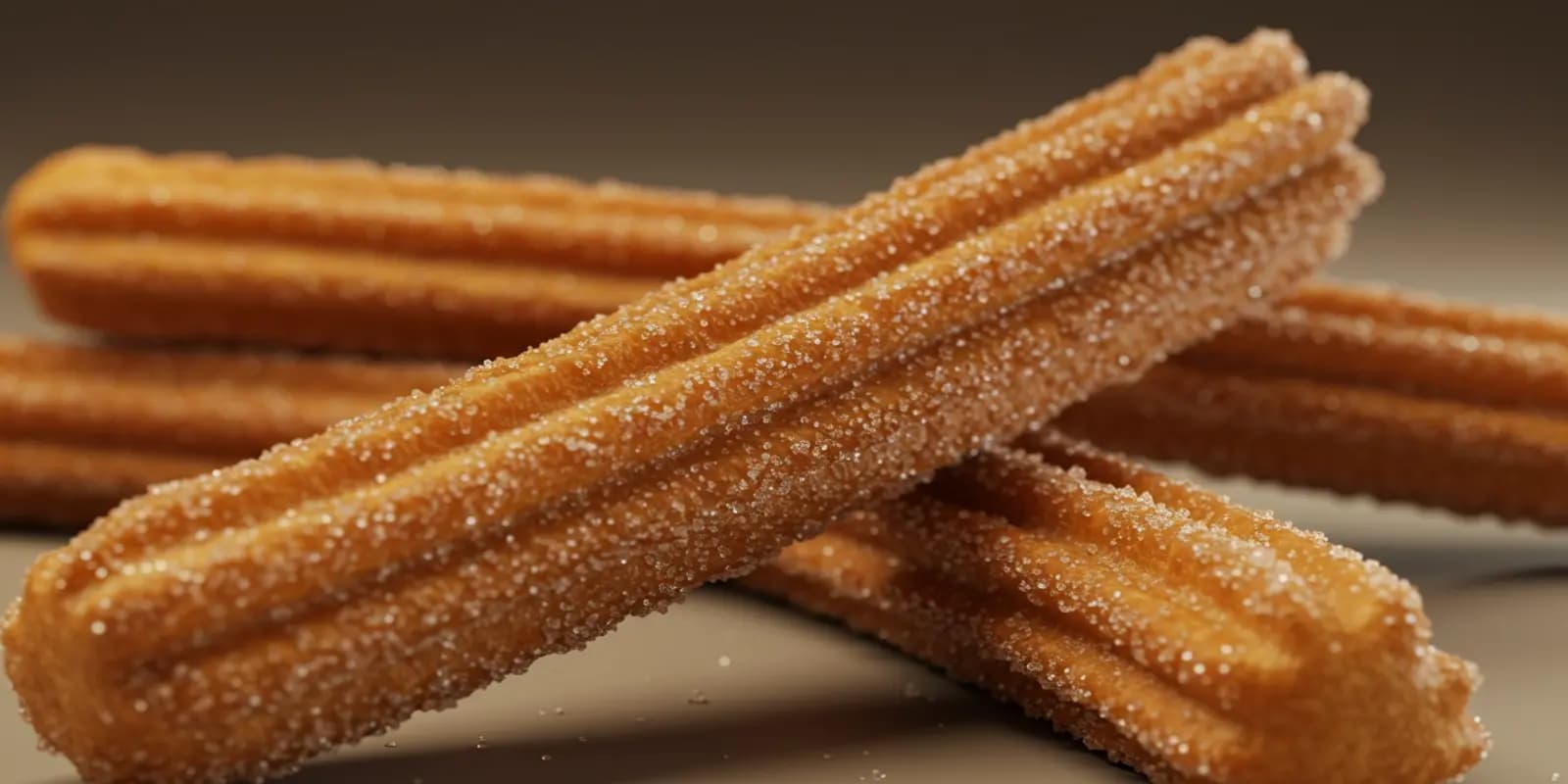
Churros are made by squeezing dough through a tool with a star-shaped tip (a “churrera”), which makes the dough come out with ridges — that’s why churros look bumpy like little ridged sticks before they get fried!
In Spain, churros are often eaten for breakfast — or as a snack — and many Spaniards enjoy them dipped in thick hot chocolate.
Some of Madrid’s oldest churro shops — like Madrid 1883 and La Antigua Churrería — have been frying churros for more than 100 years.
Churros became a popular treat in Mexico, and by the 1930s at least one person — a Spanish immigrant — was selling them from a street‑cart (a “carrito”). Over time, churros grew into a beloved street snack across Mexico.
Churros started in Spain, and over many years people in Latin America — then later immigrants from Latin America and Spain — brought churros to the United States.
In Madrid, many people today like to wrap up a late night out with warm churros and chocolate — a kind of early‑morning treat.
In Spain, there’s a bigger, thicker version of churros called a “porra.” Porras are often longer and fluffier than regular churros, and many people love to dip them in hot chocolate or coffee.
The oldest continuously operating churro shop is Chocolatería San Ginés in Madrid, which has been making churros since 1894 – that's over 125 years!
When churro dough hits hot oil (usually heated to 375°F), the water in the dough instantly turns to steam, creating those delicious air pockets inside!
Churros get their signature ridges from being squeezed through a star-shaped pastry tip with 5-8 points, which helps them cook evenly and hold more cinnamon sugar!
The perfect churro has a crispy golden outside and a soft, airy inside.
Churro dough rises without yeast or baking powder because it relies on steam from its high water content to puff up during frying!
The cinnamon used on churros contains a substance called cinnamaldehyde, which gives it that warm, spicy flavor and amazing smell!
The Maillard reaction (a special browning reaction between amino acids and sugars) gives churros their golden-brown color and delicious flavor!
Churro dough is easiest to squeeze out when it’s still warm — that’s when it’s soft and smooth.
Churro dough is made by mixing flour with hot water, which partially “cooks” the flour. This helps the dough hold together and, when fried, creates the churro’s airy inside and crispy outside.
Churros float in oil when they're done cooking because the air pockets inside make them less dense than the cooking oil!
The ridged star‑shape of churros isn’t just pretty — it helps them cook well. The ridges give the churro more edges for hot oil to grab onto, so the outside becomes crunchy and golden fast, while the inside stays soft.
Before you squeeze churro dough into the hot oil, it’s often good to let it rest a little — usually 10–15 minutes — so it becomes firmer and easier to pipe.
Professional churro makers can tell when the oil is the perfect temperature (375°F) by dipping a wooden spoon handle in – if tiny bubbles form around it, it's ready!
Sometimes churros are made around 6 inches (≈ 15 cm) — that’s a nice, easy‑to‑hold size and works well for dipping.
Churros are classified as "fried pastries" and belong to the same food family as donuts, beignets, and funnel cakes!
The dough used to make churros is technically called "choux pastry" (pronounced "shoo"), the same type used for cream puffs and éclairs!
Churros cook incredibly quickly, taking just 2-3 minutes to turn golden brown in hot oil!
The best oil temperature for frying churros is about 375°F (190°C), which is hot enough to cook them quickly but not so hot that they burn!
Chocolate dipping sauce for churros is often made thicker than regular hot chocolate by adding cornstarch or extra chocolate!
Most classic churros are made with just flour, water, salt, and oil — then fried and rolled in sugar (sometimes with a bit of cinnamon). That’s all you need to make a churro!
A plain 6‑inch churro usually has around 115 calories, but size, sugar, and chocolate dips can make it higher.
Cinnamon, which gives churros their distinctive flavor, has been used as both food and medicine for thousands of years!
The cinnamon on churros isn't just tasty – it contains antioxidants that help fight germs and has been used as medicine for over 4,000 of years!
Chocolate sauce for churros does have a natural ingredient — theobromine — that can make you feel a little perkier or happier, so eating churros with chocolate might give you a little mood boost.
Churros are made with wheat flour, which contains gluten that gives the dough its stretchy quality and helps trap air bubbles inside!
Churros tend to have a lot of fat (from frying) and a fair amount of carbs (from flour and sugar) — usually more fat than protein.
The world-record for the longest recorded churro is 77 metres (about 252.6 feet).