Basic Information
Cobras are venomous snakes in the Elapidae family, the same group that also includes other famous snakes like mambas and coral snakes!


Did you know?
Search name of person, animal, place, thing, etc.
Share
Cobras are venomous snakes in the Elapidae family, the same group that also includes other famous snakes like mambas and coral snakes!
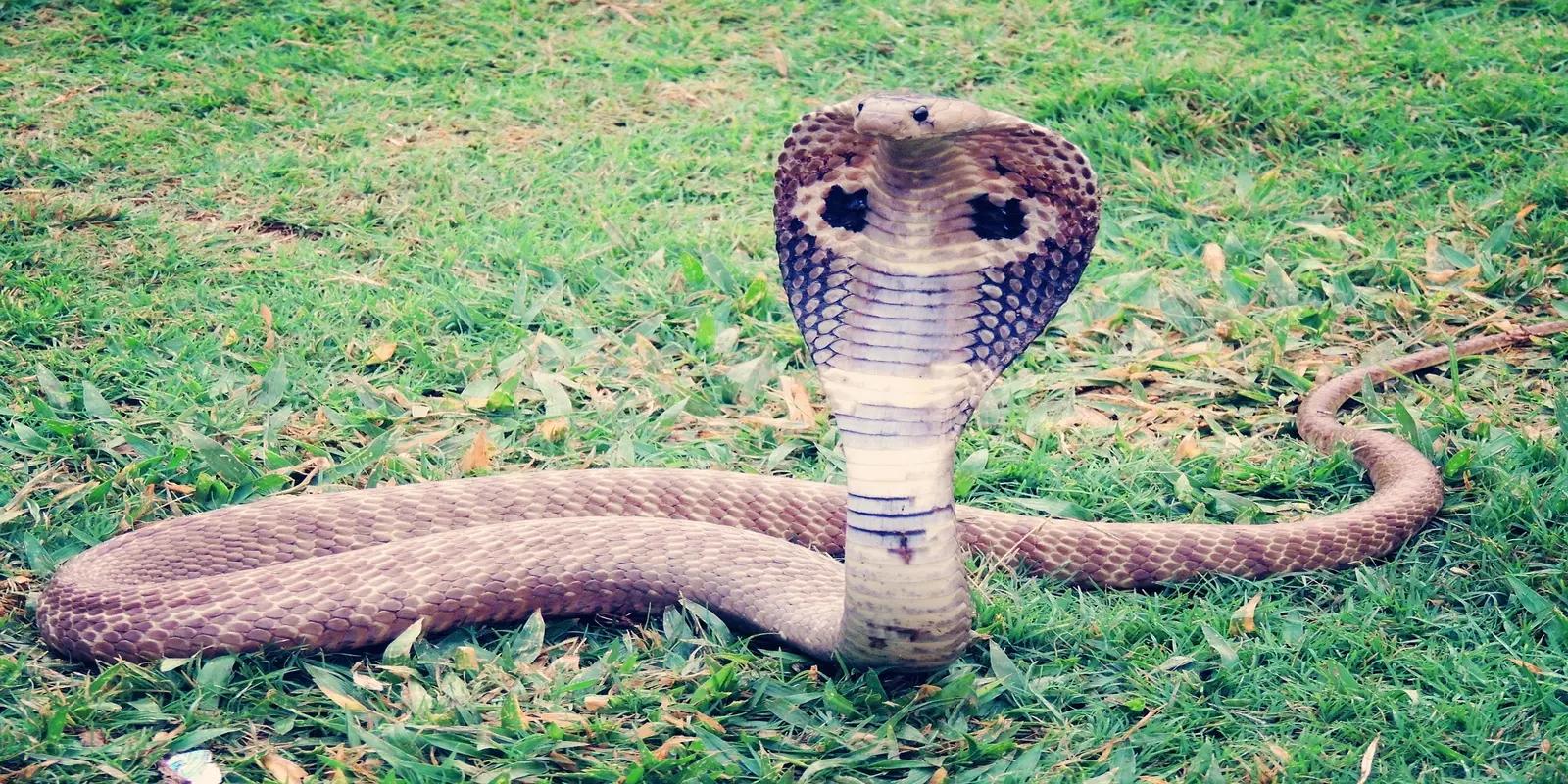
The word “cobra” comes from the Portuguese phrase cobra de capello, which means "snake with a hood!"
The King Cobra’s scientific name is Ophiophagus hannah, and “Ophiophagus” means “snake-eater” because this big snake loves to eat other snakes!
A group of cobras is called a "quiver," just like the container that holds arrows!
The Indian Cobra’s scientific name is Naja naja, and it’s one of the most famous cobra species in the world!
Many cobra snakes grow about as long as three skateboards (around 6 feet), but some are smaller and some — like king cobras — can grow much longer!
Cobras can be found in Africa, Asia, and some parts of the Middle East – that's three whole continents!
Wild cobras often live about 15–20 years. In zoos with great care, some can live even longer — sometimes into their mid-20s!
The smallest true cobra is the Mozambique Spitting Cobra, and it can grow about as long as two tall-kids back to back (about 3–4 feet)!
The King Cobra is the longest venomous snake in the world and can grow as long as a small car — up to around 18 feet!
When a cobra spreads its hood, it can grow wider — often about as wide as two rulers!
Cobras have special muscles and long ribs in their neck that let them spread their hood to look bigger when they feel scared or threatened!
A cobra’s scales are dry and smooth — they can feel a bit like polished stone or smooth leather when you touch them!
Some cobras slowly change their color as they grow up — young snakes may look lighter or patterned and adults may get darker or look different.
Cobras have good vision for a snake, and big ones like king cobras can see a moving person from about as far away as a basketball court!
A cobra’s tongue can “smell” the air! When it flicks its forked tongue, it collects tiny scent clues from the air and brings them back to a special sensory organ so it can find food and avoid danger.
Baby cobras are born with fully functional venom glands and know how to use them right away!
The patterns on a cobra’s hood can be different from one snake to another, and scientists can use those differences — like unique markings — to help tell some individual cobras apart!
A cobra’s fangs are sharp and hollow — kind of like tiny hypodermic needles — and they stay in the front of its mouth, ready to inject venom when it bites!
Cobras can swim and are good at it — some will swim across rivers and streams to find food, escape danger, or explore new homes!
When a cobra feels scared or threatened, it can lift up about one‑third of its body off the ground — sometimes taller than many dogs!
Cobras don't have external ears but can feel vibrations through their body to know when something's coming!
Some cobras can spit their venom up to 8 feet away – that's as far as two tall adults lying down!
Cobras dance to movement, not music – they're following the motion of the snake charmer's instrument!
Many cobras are most active during the day, especially in the morning and afternoon, but some also move around at dawn, dusk, or even at night depending on the weather and their home!
When two male cobras fight, they have a wrestling match where they try to push each other down!
Cobras can climb trees — they use their strong bodies and scales to grip and move up branches to hunt or find shelter!
Cobras can live in a wide range of places — from lowlands near the sea up into mountains high above sea level!
Some cobras like to live in old termite mounds because these cool, tunnel‑filled homes give them good shelter — kind of like natural apartments — but they also hide in rocks, logs, or burrows!
When it gets chilly outside, cobras don’t have blankets, but they do find warm spots like sunlit rocks or cozy burrows to help them stay warm — just like you snuggle under a blanket!
Some cobras can live near people — in towns and even cities — where they find food and hiding places, just like pigeons and squirrels do!
Cobras like it warm — they feel best in temperatures kind of like a warm summer day, usually somewhere around 75–90 °F!
Cobras don't hibernate but become less active during cold months!
A single cobra meal can keep the snake full for several weeks!
King Cobras mostly eat other snakes — even venomous ones like cobras and kraits — which makes them true “snake‑eaters”!
Young cobras mainly eat small lizards and frogs before moving on to bigger prey!
Baby cobras are called hatchlings, and when they hatch from their eggs they’re much longer than a ruler — often 8–20 inches long depending on the species!
Cobra eggs are soft and leathery instead of hard like chicken eggs. They’re usually long and oval‑shaped, more like little soft balloons than the hard eggs you crack for breakfast!
A mother cobra can lay about 20–40 eggs at once — that’s like a big cluster of leathery snake eggs waiting to hatch!
Baby cobras start hunting on their own as soon as they hatch!
Cobras grow throughout their entire lives, but most quickly when they're young!
Cobras don’t grow up overnight! Many reach adulthood and can have babies between about 3–5 years of age, though big ones like king cobras may take a bit longer.
Female king cobras are excellent “snake moms” — they build a nest and guard their eggs for about 60–90 days, keeping them safe until the babies are ready to hatch!
Cobra eggs usually take about two months to hatch — shorter than a long summer vacation!
Young cobras (and other young snakes) shed their skin every few weeks to a couple of months as they grow because their old skin doesn’t stretch. They shed more often when they’re little and growing fast!
Cobras can dive and hold their breath underwater for a short time (often several minutes), but they still need to come up for air because they breathe air, not water!
Cobras can slither in short bursts at speeds close to a fast human sprint — about 12 mph — but they can’t keep that up for long and they don’t actually “run” like people do!
Cobras can strike faster than a human blink — their attack can happen in as little as about 50 milliseconds!
Cobras can go for weeks or even months without eating after a big meal because their bodies use food very slowly!
Cobras can recognize their regular caretakers in zoos!