Basic Information
A group of mice is called a “mischief,” which is perfect because they love to explore and play together!


Did you know?
Search name of person, animal, place, thing, etc.
Share
A group of mice is called a “mischief,” which is perfect because they love to explore and play together!
House mice belong to the scientific family Muridae, which is the largest family of mammals on Earth with over 700 different species!
Mice are part of the order Rodentia, making them cousins to hamsters, rats, and even cute little gerbils!
A mouse can slip through a tiny hole about as wide as a pencil because its head is small and its body is extra flexible — once its head fits, the rest of its body can follow!
A house mouse usually lives about 1 year in the wild, but a pet mouse cared for indoors can live about 2 years — and sometimes even 3 years on rare occasions!
An adult house mouse typically weighs between 12-30 grams, about as much as 2-5 nickels!
A male mouse is called a buck, a female is called a doe, and baby mice are called pups!
Mice can be found on every continent except Antarctica, making them one of the most widespread mammals on Earth!
The scientific name for the house mouse is Mus musculus, which comes from the Latin word for "little mouse"!
Mice have been living alongside humans for over 15,000 years, making them one of our oldest animal neighbors!
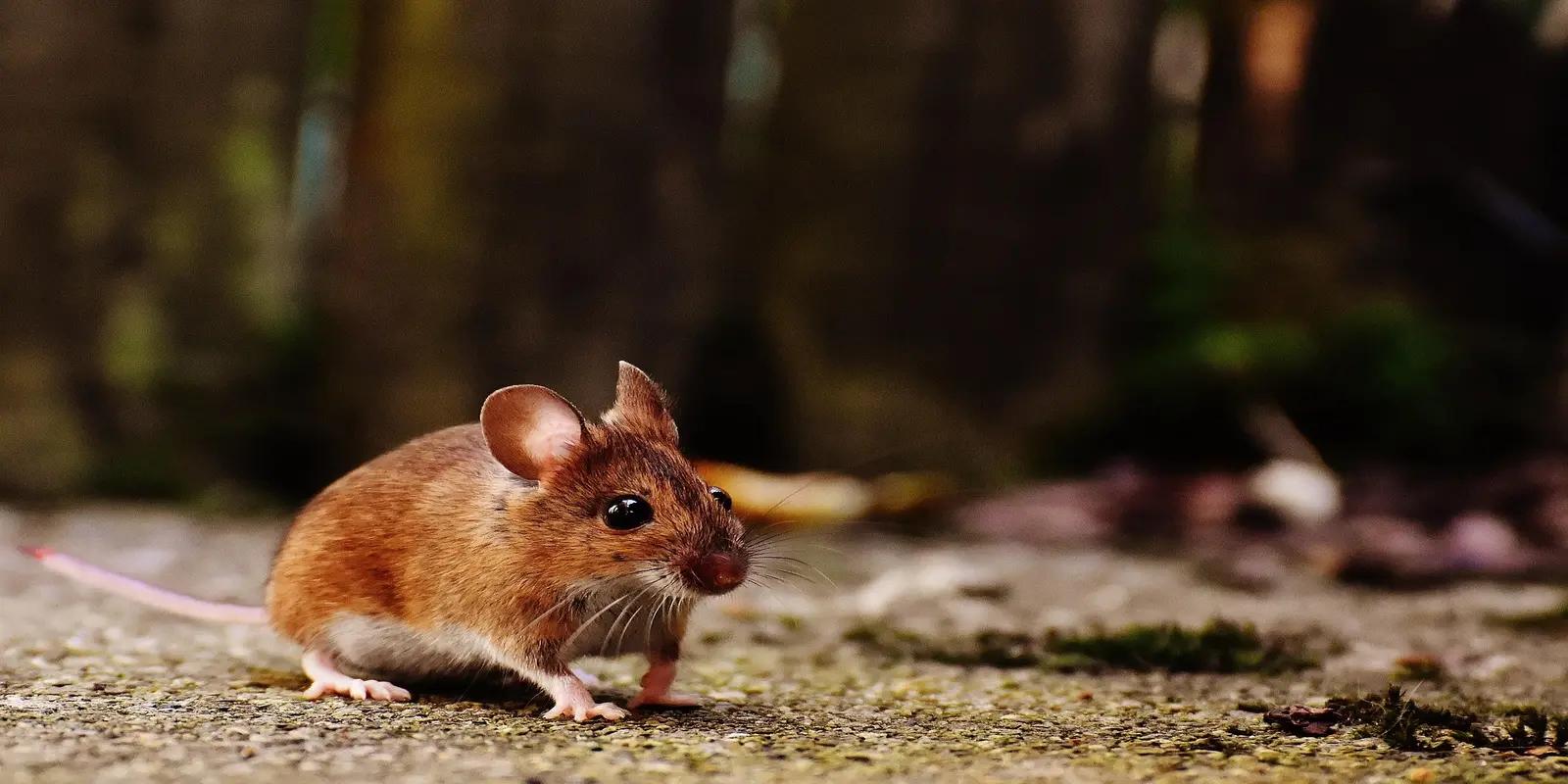
A mouse’s tail can be about the same length as its body, and it acts like a built‑in balance beam to help the mouse stay steady while it climbs or walks on thin places!
A mouse’s whiskers, called vibrissae, are super touch‑sensitive and help the mouse feel its way around in the dark.
A mouse can jump about 1 foot (30 cm) high — that’s like jumping up to the top of a desk! — thanks to its strong hind legs and tiny size!
The average house mouse is about 7.5-10 centimeters long, about the length of a standard pencil!
Mice don’t see colors the same way people do, but they can see into ultraviolet light — a kind of light humans can’t see — which helps them notice things around them that we miss!
A mouse’s heart beats super fast — often around 500–700 times every minute! That’s about 8 to 10 times faster than a human’s heart at rest, which usually beats about 60–80 times per minute.
A mouse has four front teeth called incisors that never stop growing and about 12 back teeth called molars, giving it around 16 teeth in its mouth! The sharp front teeth help it gnaw, and the back teeth help it chew food.
A house mouse can sprint up to about 8 miles per hour — that’s like running fast enough to dash across a playground in just a few seconds!
Mice can swim when they have to, and they can hold their breath underwater for up to about 3 minutes before they need to pop up for air!
Mice communicate using ultrasonic sounds that are too high-pitched for human ears to hear!
Mice can learn to notice the sound of your voice and come when you call if you always say the same word and give them a treat or pet.
A mouse spends about 30% of its waking hours cleaning and grooming itself!
Mice are nocturnal, meaning they are most active during the night when predators are less likely to spot them!
Mice are social animals and prefer to live in groups where they play, groom, and sleep together!
Mice can learn to find their way through a maze surprisingly fast — with enough practice and reward, they often get much better in just a handful of tries!
Mice mark places with scent signals using urine and other gland secretions. These invisible smell‑messages help other mice know who’s been there, where territory is, and even where to go!
Mice can build complex tunnel systems underground that include separate areas for sleeping, storing food, and raising babies!
Mice can get a lot of the water they need from the tasty foods they eat, so they don’t always have to drink water — but they will sip water when it’s there!
A mouse's home range is typically just 3-10 meters in diameter when food is plentiful!
Mice can climb vertical surfaces and even walk upside down if the surface is rough enough!
A mouse can survive a fall from as high as 8 feet because its tiny body falls slowly and doesn’t hit the ground very hard — so the little mouse can often walk away unhurt!
Mice create special ultrasonic songs to attract mates, singing at frequencies between 30-110 kHz!
A baby mouse opens its eyes when it’s about two weeks old — usually around 14 days after it’s born!
Female mice can have between 5-10 litters of pups per year, with each litter containing 6-8 babies!
A mouse pregnancy only lasts 19-21 days, one of the shortest pregnancies among mammals!
Baby mice start life pink and hairless, and within about a week to 10 days they grow soft fur.
A mother mouse can recognize her babies by their unique scent!
Baby mice begin eating solid food when they're around 21 days old!
A female mouse can become pregnant again just 24 hours after giving birth!
Baby mice start making ultrasonic calls to their mother within hours of being born!
Young mice are nearly full‑grown and can start having babies of their own by around 6–8 weeks old!
A mouse typically eats 15-20 times per day, consuming about 3 grams of food (approximately 10% of their body weight)!
Mice can’t throw up or burp — their tummies and throat are shaped in a special way that only lets food go in one direction, so gas and food can’t come back out the top like it can in humans!
Mice don't actually love cheese as much as cartoons suggest – they prefer foods high in sugar and carbohydrates!
Mice test new food by taking tiny nibbles first and waiting to see if they feel sick before eating more!
A mouse's stomach is divided into two parts – one for storage and one for digestion!
Mice can taste food using taste buds on the roof of their mouth as well as their tongue!
Mice need to eat small bits of food many times a day — about every 2–3 hours — because their tiny bodies burn energy fast and they’re always on the move!
There are over 1,100 species of mice and rats in the world!
Several species of native mice are endangered, including the Salt Marsh Harvest Mouse of California!