Basic Information
Mitochondria are tiny power plants inside most of your cells, working hard to turn food into energy that keeps you energized and healthy!

Did you know?
Search name of person, animal, place, thing, etc.
Share
Mitochondria are tiny power plants inside most of your cells, working hard to turn food into energy that keeps you energized and healthy!
Scientists call mitochondria the "powerhouse of the cell" because they make energy from the food you eat, just like a power station makes electricity!
Your body has trillions of mitochondria — so many that if you tried to count one every second, it would take far longer than a lifetime!
Mitochondria are tiny — about one-hundredth to one-fifth as wide as a human hair — so you could line up many of them side by side and still only fill the width of a hair!
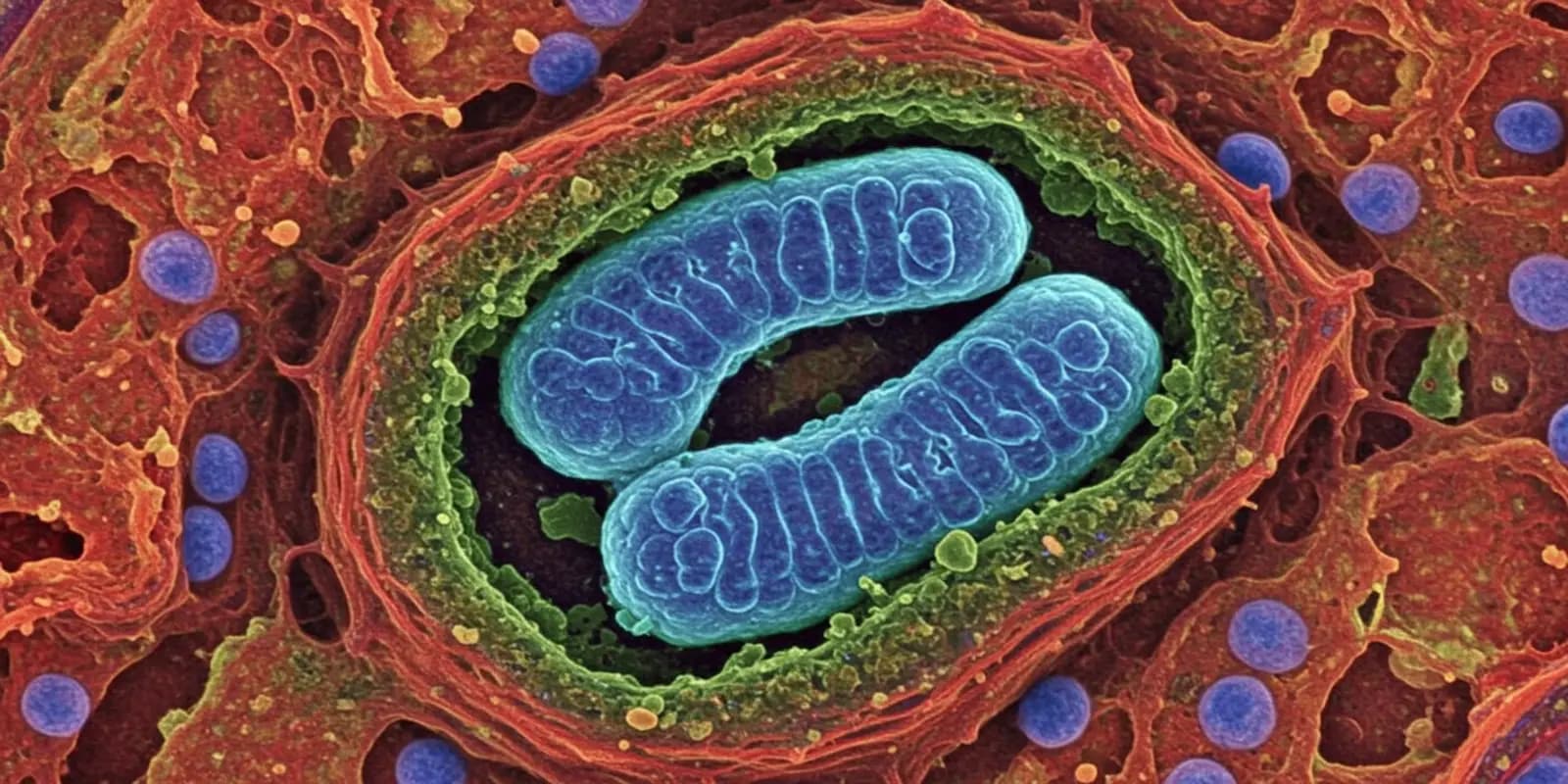
Each mitochondrion has two special protective layers called membranes, just like a castle has two walls to protect it!
Muscle cells can have hundreds or even thousands of mitochondria — that’s why your muscles have the energy to help you run, jump, and play!
Your heart cells have a huge number of mitochondria — often around 5,000 or more in each cell — because your heart never stops working and needs lots of energy!
Mitochondria have their own special DNA, like a unique recipe book that's different from the DNA in the rest of your cell!
When you exercise, your body makes more mitochondria to give you extra energy, like adding more power plants to a city!
Mitochondria are very tiny and often look like little bean- or sausage-shaped powerhouses, but in real cells they can change shape — sometimes longer or more twisty — as they move around and work!
Each mitochondrion has wrinkly inner walls called cristae that look like the folds in your brain!
The inside of a mitochondrion is filled with a special jelly-like fluid called matrix, where important chemical reactions happen!
Mitochondria can change their shape and size depending on what your cells need, like a balloon that can stretch or shrink!
The outer membrane of mitochondria has tiny holes made by proteins called porins. These act like simple doors that let small molecules move in and out, helping mitochondria talk with the rest of the cell!
Mitochondria are tiny — about 1 micrometer long, which is roughly 100 times narrower than the width of a human hair!
The inner membrane of mitochondria has five times more surface area than the outer membrane because of all its folds!
Mitochondria can join together in a process called fusion so they can mix parts and help each other work better — a bit like train cars linking up to share cargo when the cell needs extra power!
Mitochondria are so tiny and clear that they don’t have a real color you could see with your eyes. Scientists often color them with special dyes to study them under microscopes!
The space between the inner and outer membranes is called the intermembrane space, like a secret hallway in a castle!
Mitochondria turn the sugar from your food into a special energy molecule called ATP, which is like tiny batteries for your cells!
Inside mitochondria is a special helper called ATP synthase that turns like a tiny spinning windmill when tiny particles rush through it — and that spinning helps make the energy your cells need!
Mitochondria can make millions of ATP molecules every second — that’s so many tiny energy batteries your cells never run out of power!
Mitochondria help your body stay warm because when they turn food into energy, some of the energy becomes heat — and in special fat cells they make even more heat, like tiny furnaces helping keep you cozy!
When you’re sleeping, your mitochondria are still hard at work, making energy so your heart keeps beating and your lungs keep breathing all night long!
Mitochondria help your body break down fats when you need extra energy, like having a backup power supply!
Inside your cells, mitochondria can talk to one another by swapping signals and connecting together, like helpers sharing messages so they can all work as a team to make energy!
Mitochondria help your cells get the energy and signals they need to grow bigger and prepare to divide — so they’re part of what tells a cell, “I’m ready to make a new cell!”
Mitochondria can take in and release calcium inside your cells — this helps muscles move and nerves send messages by shaping the calcium signals your cells use!
When you’re sick, your immune cells kick into action and need lots of energy. Mitochondria help supply that energy and send signals so your immune system can fight germs, like extra helpers in a big team effort!
When you’re running or exercising hard, your muscle cells need a lot more energy. Mitochondria speed up the way they make ATP to help meet that bigger demand — kind of like turning up the power output when a machine needs extra fuel!
Eating healthy foods like fruits and vegetables gives your mitochondria the vitamins and nutrients they need to help your cells make energy better and stay strong!
Exercise helps your body make more mitochondria, which is why athletes have lots of energy for sports!
Getting enough sleep helps your mitochondria rest and repair so they can make energy more efficiently — just like how you feel better and stronger after a good night’s rest!
Some medicines and special compounds can help protect mitochondria when they aren’t working properly — like helpers that fix parts, reduce damage, or give them stronger tools so your cells can make energy better!
Drinking plenty of water helps your cells and mitochondria work their best — water lets the chemical reactions that make energy happen smoothly, so you stay energized!
Your mitochondria make energy from the food you eat, so eating healthy foods at regular times gives them a steady supply of fuel to keep your cells energized!
Some vitamins, like B vitamins and Coenzyme Q10, are especially important for keeping your mitochondria healthy!
When mitochondria get damaged, your cells have special recycling systems to fix or replace them!
Mitochondria can split into two when cells need more energy, like making a copy of a power plant!
Your mitochondria can travel inside your cells by riding along tiny protein “railways” with help from motor proteins — like little trains going to the busy parts of the cell where energy is needed most!
Mitochondria can sense when cells don't have enough oxygen and adjust how they make energy!
Mitochondria don’t all live for the same amount of time — in different tissues they can be replaced in a few days or weeks, and some of their parts can last for months — because your cells constantly make new ones and recycle old ones!
Mitochondria can make different amounts of energy depending on what your body is doing, like a dimmer switch!
Mitochondria can change their role depending on what kind of cell they’re in — like superheroes with different powers for different jobs! In some cells they focus on lots of energy, in others they help with special tasks that cell needs most.
Inside your cells, mitochondria can join into dynamic networks so they can share materials and help make energy together.
When you're cold, mitochondria can make extra heat by using a special process called uncoupling!
You inherit your mitochondrial DNA only from your mother — like a special gift passed down through generations — because the tiny powerhouses in your cells come from her egg, not from your father’s sperm!
As you grow, your mitochondria grow and divide too, keeping up with your body's changing energy needs!
Different types of cells get different numbers of mitochondria as they develop – muscle cells get lots while skin cells get fewer!
When you exercise often, your mitochondria adapt — your body makes more of them and makes them better at making energy, kind of like building more and better little power stations in your muscles so you can keep going longer!