Basic Information
Nigeria is officially called the Federal Republic of Nigeria, and it’s the most populous country in all of Africa!

Did you know?
Search name of person, animal, place, thing, etc.
Share
Nigeria is officially called the Federal Republic of Nigeria, and it’s the most populous country in all of Africa!
Nigeria’s capital city is Abuja, which became the capital in 1991 and was specially built to be the perfect central location for governing the country!
Nigeria has about 237 million people living there (as of 2025), which is almost three times as many people as Germany’s ~83 million.
English is Nigeria’s official language, but there are over 500 other languages spoken throughout the country!
Nigeria uses a currency called the Naira, and the symbol for it looks like this: ₦!
Nigeria has a democratic government where citizens vote for their president every four years!
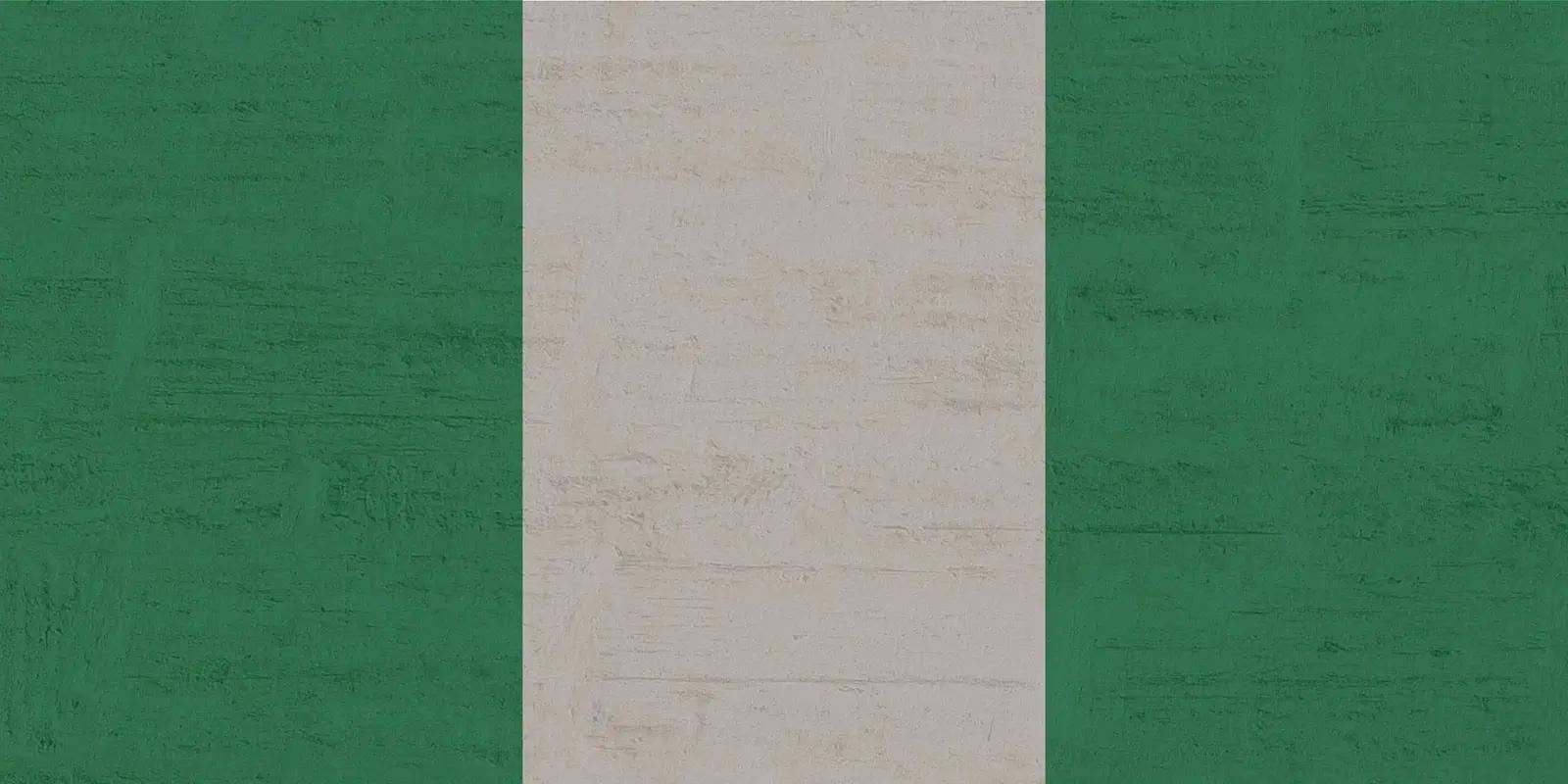
Nigeria’s flag has three vertical stripes — green, white, and green — where the white represents peace and unity!
The red eagle on the coat of arms of Nigeria represents the country’s strength and pride.
The national anthem of Nigeria is called Arise, O Compatriots and it was adopted on 1 October 1978.
Nigeria sits right on the Gulf of Guinea in West Africa, with Cameroon to the east and Benin to the west!
The Niger River, which gave Nigeria its name, is about 4,100–4,200 km long and is the third-longest river in Africa, after the Nile River and the Congo River.
Nigeria is home to the endangered Cross River gorilla, with less than 300 left in the wild!
Chappal Waddi is Nigeria’s highest mountain, reaching up to 2,419 meters (7,936 feet) high! It’s in Taraba State on the Mambilla Plateau, near the Cameroon border.
The Yankari Game Reserve (in Bauchi State) is home to Nigeria’s largest surviving elephant population!
Nigeria has the largest mangrove forest in Africa, stretching along its coast (especially in the Niger Delta region). These forests act like nurseries for fish and protect the shoreline!
Nigeria covers about 923,768 square kilometres, which makes it slightly more than twice the size of California (which covers about 403,466 km²).
Obudu Cattle Ranch (also called Obudu Mountain Resort) sits up high on a plateau about 1,575 m to 1,716 m above sea level in Cross River State, Nigeria, so the air is cool and the surroundings feel like a fresh mountain getaway!
Nigeria’s landscape changes from tropical rainforest in the south to savanna grasslands in the north!
At the Durbar Festival in northern Nigeria, horsemen dress in colourful traditional clothes and parade through the city on beautifully decorated horses to celebrate and honour their royal leaders!
Yorùbá women often wear beautiful clothes called the Iro and Buba — a wrapped skirt (iro) and blouse (buba) — made from bright printed fabrics. They usually complete the outfit with a matching head‑wrap called a gele, which can be tied in many stylish ways!
Igbo women wear a special wrapper called “george” with a matching blouse called “buba,” and they tie coral beads around their necks and waists during important ceremonies!
Igbo men often wear a special shirt called a Isiagu (which has lion‑head or leopard‑head patterns) with a wrapper called George, and they sometimes wear a red cap called a Okpu Agu that shows their status in the community.
Hausa women often wear a long wrapper called a zani, together with a blouse (buba), a head‑tie called kallabi, and a shawl or drape called gyale — all made from colourful printed fabric!
Hausa men wear a long loose robe called a babban riga, often with fancy embroidery around the neck and chest, matched with trousers called wando, and on their head they wear a cap called a hula!
Women of the Fulani people often wear vibrant wrappers or dresses with matching tops, and they decorate their hands, arms and feet with henna and wear large gold, silver or brass earrings that show their beauty and status.
Men of the Fulani people often wear long flowing robes (like a “jalabiya” or similar) with pretty embroidery. They also wear a special cone‑shaped or straw/cloth hat (sometimes called a “noppire” or “noppiire”) which comes from their tradition as herders.
Ijaw women wear colourful wrappers and matching tops made from rich fabrics like George or lace, and during special ceremonies they also wrap bright beads around their waist and wear large coral necklaces and bracelets!
Ijaw men wear special outfits for big events: they tie a bright and rich cloth (a wrapper) around their waist, put on a fancy long shirt, wear a smart hat, and sometimes carry a carved walking stick!
Women of the Kanuri people wear long flowing dresses (robes) with matching wrappers and veils. Their clothes are richly embroidered and often show bright colours and patterns — all part of their cultural pride!
The talking drum is a special Nigerian instrument that can actually mimic the sounds of human speech!
“Ayo” is a traditional board game that’s been played in Nigeria for hundreds of years!
In Nigeria, artists of the Kingdom of Benin in Edo State cast amazing bronze sculptures more than 600-800 years ago to decorate the royal palace.
The story of Queen Amina tells of a 16th-century leader who was one of the greatest warriors of her time!
During the New Yam Festival, people celebrate the harvest with music, dance, and lots of delicious yam dishes!
The traditional Ankara fabric patterns tell stories through their designs and are worn for special occasions!
Nigerian weddings are huge celebrations that can last several days and include hundreds of guests!
Jollof rice is so popular in Nigeria that there’s a friendly competition between West African countries about who makes it best!
Chin chin is a sweet, crunchy snack made from fried dough that Nigerian children love to eat!
In Nigeria, it’s polite to eat with your right hand, because the left hand is often considered unclean and impolite to use in food-related situations.
Nigerian school children wear different colored uniforms depending on which school they attend!
In some Nigerian homes, families spread a mat on the floor, sit together, and enjoy their meal as one big group!
n Nigeria, children often play a fast and fun game called Ten‑Ten, where two players clap their hands, lift their feet in rhythm, and try not to match the same leg as the opponent!
In Nigeria’s busy city Lagos, many people catch bright yellow buses called ‘danfo’ which zoom through the streets with stops at every corner!
In some parts of Nigeria, children do help their parents in markets or sell goods after school or on weekends to support the family.
Suya is a spicy grilled‑meat snack from Nigeria, sold on skewers by special street vendors called ‘Mai Suya’!
Benin City once had huge earthen walls and moats stretching thousands of kilometers—longer in total than the Great Wall of China!
The Nok culture in ancient Nigeria made amazing terracotta figures — over 2,000 years ago — that still amaze us today!
Queen Idia was a mighty 16th‑century warrior‑queen of the Kingdom of Benin in Nigeria who helped her son become king and made the kingdom strong!
Kano is one of Nigeria’s oldest cities — for over 1,000 years it’s been a busy trading place where people from nearby lands came to buy, sell and trade goods!
Philip Emeagwali, a Nigerian‑born computer scientist, helped set a world record in 1989 by programming a large computer system to perform billions of calculations per second.