Basic Information
Fiji’s official name is the Republic of Fiji, and it’s made up of 333 beautiful islands in the Pacific Ocean!

Did you know?
Search name of person, animal, place, thing, etc.
Share
Fiji’s official name is the Republic of Fiji, and it’s made up of 333 beautiful islands in the Pacific Ocean!
Suva is the capital city of Fiji, and it sits on the big island of Viti Levu, where many people live and work!
About 935,000 people live in Fiji — that’s a small country with under one million people!
Fiji is in the South Pacific Ocean — it lies about 1,100 miles north of New Zealand and about 1,700 miles east of Australia!
People in Fiji speak three official languages: English, Fijian, and Hindi, so many children grow up speaking more than one language!
Fiji’s money is called the Fijian dollar, and many of its coins have pictures of native animals like parrots, iguanas, and flying foxes on them!
Fiji is a parliamentary democracy — people vote in elections to choose leaders who make laws and help run the country!
Fiji’s flag has a light blue background with the British flag in the corner and a shield from Fiji’s coat of arms. On the shield, a lion holds a cocoa pod, with pictures of things like a coconut palm and bananas!
Fiji's national anthem is called "God Bless Fiji" and is sung in both English and Fijian!
Fiji has a tropical climate — it’s warm and sunny most of the year, and daily temperatures are often between about 70°F and 88°F!
Only about 110 of Fiji’s more than 330 islands have people living on them, and the rest are uninhabited tropical paradises!
Fiji’s biggest island, Viti Levu, is about 4,000 square miles, which is close in size to the U.S. state of Connecticut!
Fiji’s highest mountain is Mount Tomanivi at about 4,344 feet tall — that’s like stacking the Empire State Building almost three times high!
Fiji is very close to the International Date Line — because it’s just on the west side of that line, it’s one of the first places on Earth to welcome each new day!
Fiji’s islands were made long ago by volcanoes and the movement of the Earth’s crust under the Pacific Ocean. Some volcanoes on land last erupted many hundreds of years ago, and there are still active volcanoes under the sea near Fiji!
Fiji has huge coral reef systems covering almost 4,000 square miles or more in warm ocean water — a home for lots of colorful fish, sea turtles, and other amazing sea life!
n Fiji, the Sigatoka Sand Dunes on Viti Levu are huge sand hills that can be as tall as a 20‑story building!
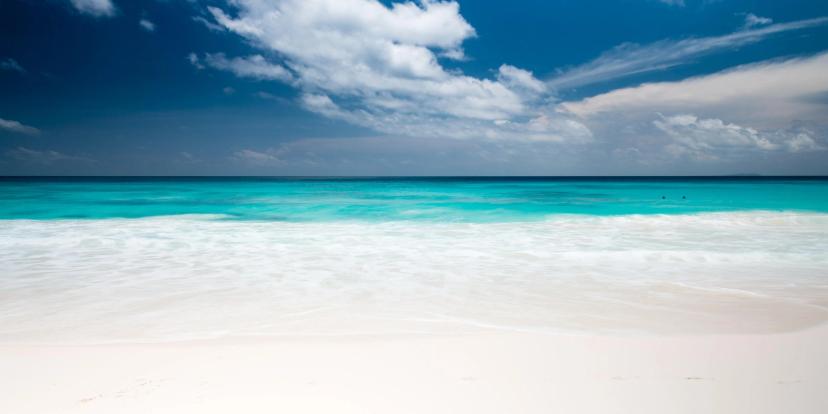
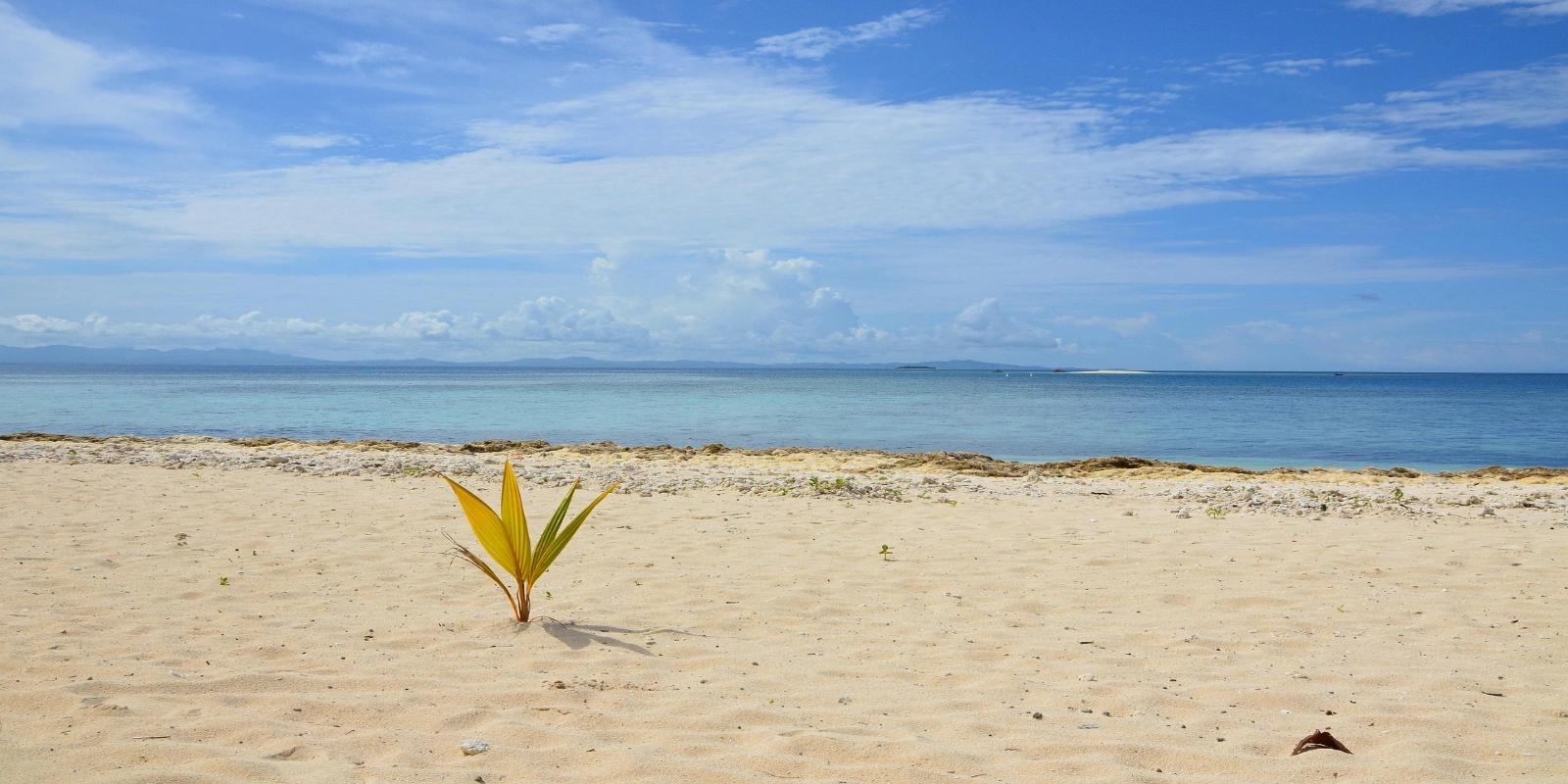
Fiji’s islands are surrounded by crystal‑clear blue lagoons that look like giant swimming pools full of colorful fish and sea life!
The Mamanuca Islands in Fiji are so beautiful that the movie Cast Away with Tom Hanks was filmed on one of them — tiny Monuriki Island!
Fiji has two seasons — a wet season from November to April with warmer weather and more rain, and a dry season from May to October with cooler, sunnier days!
In Fiji, the Bouma National Heritage Park on Taveuni protects about 80 % of the island’s rainforest, so lots of trees, animals, and waterfalls stay safe!
The Coral Coast in Fiji stretches for about 50 miles and has some of the most beautiful beaches and clear ocean waters in the world!
Fiji’s waters are home to more than 1,200–1,500 species of fish, including colorful parrotfish, angelfish, and clownfish that live around its coral reefs!
The Fijian crested iguana is a special lizard found only in Fiji, and it can grow up to about 30 inches long — that’s nearly as long as a big school ruler laid end to end!
Fiji’s coral reefs are full of amazingly colorful soft corals — with pink, purple, orange, and white kinds that make the underwater world look like a giant sea garden!
In Fiji, people perform a traditional welcome ceremony called sevusevu, where visitors give a gift of kava root to the village chief to show respect and be welcomed into the community!
In Fiji, the traditional dress called a sulu is worn by both men and women — it’s a colourful wraparound skirt‑like garment that people wear for everyday life and special occasions!
In old Fiji, people sometimes wore their hair in tall, bushy styles called buiniga that looked a bit like big afros and showed pride in their culture!
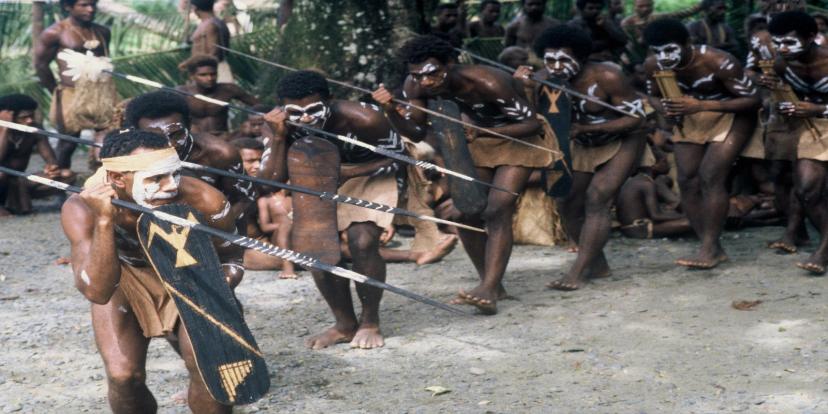
Fijians perform traditional dances called "meke" that tell stories about their history, gods, and everyday life through movement!
In Fiji, there’s a traditional fire‑walking ceremony called vilavilairevo where brave people walk barefoot across red‑hot stones without being burned!
Fijians say "Bula!" (BOO-lah) as a greeting, which means both "hello" and "life" in Fijian!
In Fiji, traditional houses called bures were built without nails — builders tied the wood and thatched roof together using strong rope made from coconut fibers!
Fijians celebrate Diwali, the Festival of Lights, because about 38 % of Fiji’s people have Indian heritage.
The traditional Fijian war club called a totokia was carved from one piece of hardwood, and many were about 2½ to 3½ feet long, with a heavy head used by warriors in battle!
Fijian children learn traditional crafts like weaving mats from pandanus leaves and making jewelry from shells and seeds!
The Hibiscus Festival in Suva, Fiji is held every August — it’s Fiji’s biggest celebration with parades, music, dancing, food, and cultural shows for families to enjoy!
Rugby is Fiji’s national sport, and the Fiji rugby sevens team is world famous for being one of the best — they’ve won big championships and Olympic gold medals!
Fijians cook food in an underground oven called a "lovo" by burying it with hot stones for several hours!
Kokoda is Fiji's national dish, made with raw fish cooked in coconut milk and lime juice, similar to ceviche!
Fijians eat breadfruit, which grows on trees and tastes a lot like potatoes or freshly baked bread when it’s cooked!
Cassava (called tavioka in Fiji) is a starchy root vegetable that many Fijians eat often, and its roots can grow up to about 3 feet long when they’re ready to harvest!
Fijian children often drink fresh coconut water straight from the coconut, which is naturally sweet and healthy!
Roti, a flat bread brought to Fiji by Indian immigrants, is now eaten all across Fiji — often with curry or wrapped around tasty fillings!
Fijians grow many different kinds of taro — around 125 traditional varieties — and some have white, purple, or yellow flesh when cooked!
Fijian families often live together in big groups — with grandparents, parents, and children all close by or living in the same home.
In Fiji, it’s polite to take off your hat and sunglasses when you go into someone’s home or village to show respect!
n Fiji, coconuts grow everywhere, and Fijian children often help their families collect and husk them — coconuts are used for food, tasty coconut water, coconut oil, and even for making rope and other useful things!
In Fiji, Sunday is usually a day of rest and worship — many people go to church, spend time with family, and many shops and businesses close or have shorter hours so families can be together!
The first people arrived in Fiji about 3,500 years ago by crossing the Pacific Ocean in large canoes — they were expert sailors who started the first villages on the islands!
Captain James Cook, a British explorer, was one of the first Europeans to visit Fiji when he sailed past some of its islands in 1774, and some of his crew went ashore — but an earlier explorer, Abel Tasman, had seen part of Fiji even earlier in 1643!